
Back pain
- When does sciatic nerve compression become a medical emergency?
- What causes a vertebra to slip out of place (spondylolisthesis), and what activities should I avoid?
- What is Failed Back Surgery Syndrome, and what are the next steps if I still have pain?
- How do the symptoms of spinal stenosis differ from those of a herniated disc?
- Is Degenerative Disc Disease an actual disease, and can it be completely cured?
- Can severe spinal instability or structural deformities be treated without surgery?
- How does sitting at a desk all day affect my back?
- Why is core strength important for relieving lower back pain?
- What is the best sleeping position to avoid waking up with back pain?
- Should I use heat or ice for sudden lower back pain?
When does sciatic nerve compression become a medical emergency?
 Sciatica is a very common condition caused by the compression or irritation of the sciatic nerve, typically resulting in pain, numbness, or tingling that radiates from the lower back down the leg. In most cases, these symptoms are highly manageable...
What causes a vertebra to slip out of place (spondylolisthesis), and what activities should I avoid?
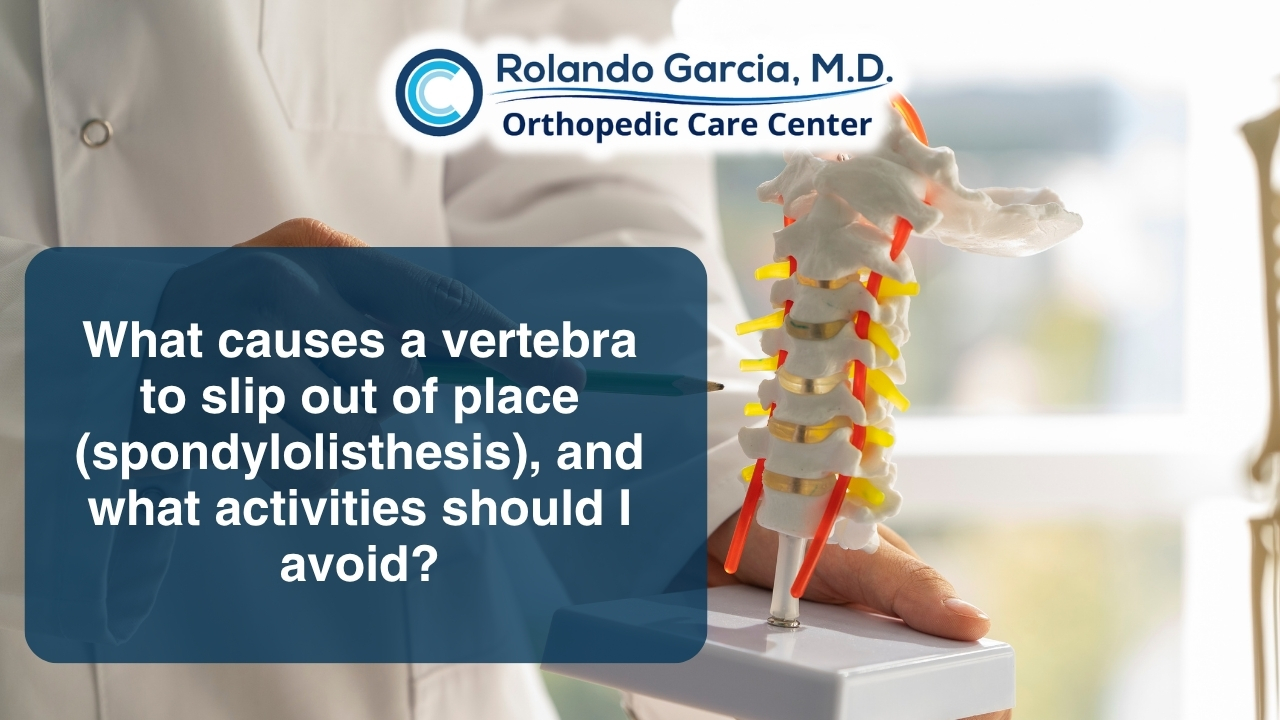 Spondylolisthesis occurs when one vertebra displaces forward over the one below it. This can be caused by a congenital defect, degenerative arthritic changes in the facet joints, or repetitive physical stress that leads to a stress fracture (spondylolysis). As the...
What is Failed Back Surgery Syndrome, and what are the next steps if I still have pain?
 Failed Back Surgery Syndrome (FBSS) refers to a condition where a patient continues to experience persistent pain or develops new neurological symptoms after undergoing one or more spine surgeries. This can occur due to incomplete nerve decompression, recurrent disc herniation,...
How do the symptoms of spinal stenosis differ from those of a herniated disc?
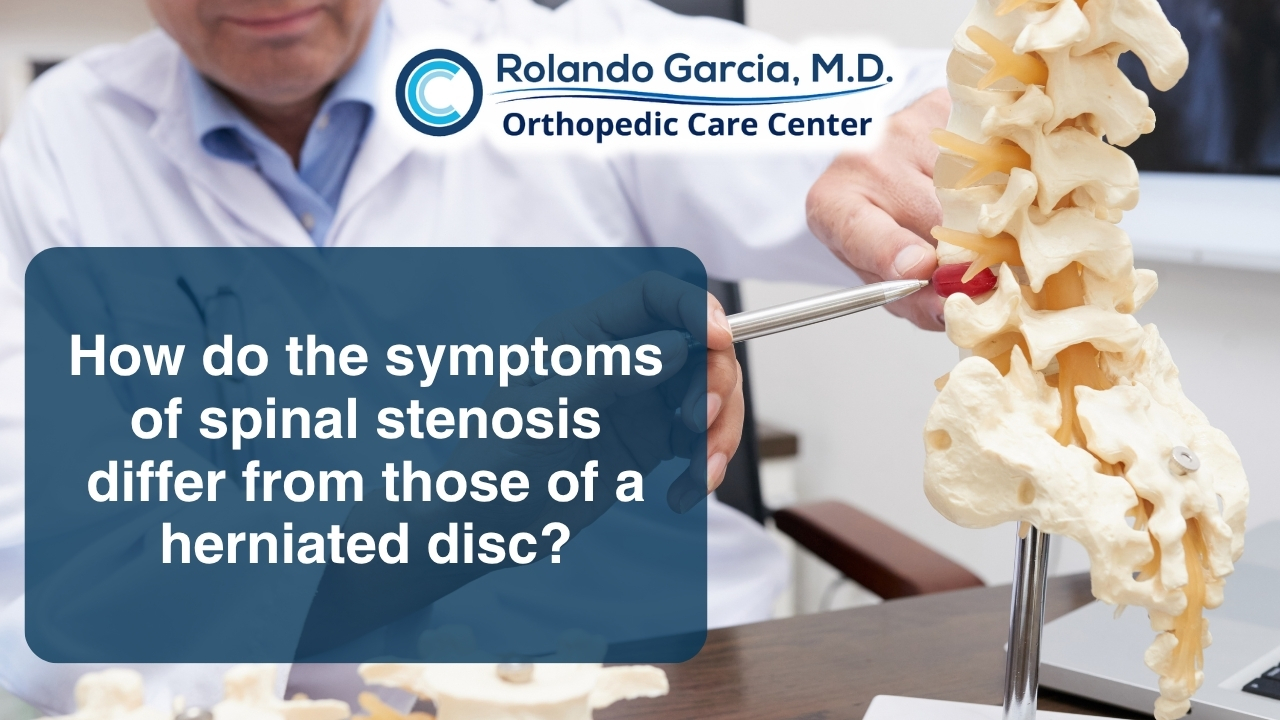 Although both conditions can cause nerve compression and radiating pain, they often have different triggers. A herniated disc usually occurs when the soft inner core of a spinal disc protrudes, causing sudden and sharp pain that frequently worsens when sitting,...
Is Degenerative Disc Disease an actual disease, and can it be completely cured?
 Despite its name, degenerative disc disease is not an actual disease, but rather a natural part of the aging process. Over time, the spinal discs lose hydration and flexibility, which can lead to pain, stiffness, and a decreased range of...
Can severe spinal instability or structural deformities be treated without surgery?
 While mild cases can be managed conservatively, severe spinal instability or progressive deformities (like adult scoliosis) often require surgical correction to prevent nerve damage and restore mobility. Complex structural cases require the expertise of a highly specialized Orthopedic Surgery professional,...
How does sitting at a desk all day affect my back?
 Prolonged sitting increases pressure on the spinal discs and can cause the muscles in your back and neck to become stiff. Using an ergonomic chair, keeping your feet flat on the floor, and taking short breaks to stand and stretch...
Why is core strength important for relieving lower back pain?
 Your core muscles act as a natural corset that supports your spine. When your abdominal and lower back muscles are weak, your spine bears more physical stress during daily movements, leading to fatigue and pain. Strengthening these muscles provides better...
What is the best sleeping position to avoid waking up with back pain?
 The ideal sleeping position maintains the natural curve of your spine. Sleeping on your back with a pillow under your knees, or on your side with a pillow between your legs, keeps your spine aligned and reduces pressure on your...
Should I use heat or ice for sudden lower back pain?
 For sudden or acute back pain, it is generally best to apply ice for the first 48 hours to reduce inflammation and swelling. After the initial two days, switching to a heating pad can help relax tight muscles and improve...



